Dolphin Offshore, Mumbai · Deputy General Manager, Workshop Operations · 2013 - 2017
Getting crews ready to sail
The situation
When I joined, the two workshops supporting offshore rig repair for clients including ONGC and L&T were running, but without control. Nobody was clearly in charge of what, seven managers were pulling in different directions, and jobs were often done twice. Overtime was claimed without accountability. Materials were strewn across the site, clogging the fabrication floor, and eleven people shared one cramped office. Project sites complained about untested material and missing certifications, mobilisation was haphazard, stores and security controls had broken down, and the safety culture was weak. My first audit failed, with a long list of corrections.
Projects could run for months, with crew needs changing along the way. Each mobilisation depended on medicals, police clearances, equipment repairs, fabrication and materials all arriving on time.
What changed
- The next audit passed, and audits ran smoothly every year after that, with only minor points.
- Mobilisations ran smoothly, vendor efficiency improved and repeat work fell.
- Responsibility for workshop readiness was shared with project managers at the corporate office.
- Valuable material from offshore projects now came back to the company, and its sale helped fund workshop improvements.
What I did
- Clear authority. Made it clear where decisions sat, then put each of the seven department heads properly in charge of their area.
- Ownership at every level. Divided the workshops into zones and gave people at every level responsibility for their space, stock and material movements. It built discipline and confidence.
- A workplace that worked. Organised the scattered materials to free up the fabrication floor, and replaced the single crowded office with four offices with basic facilities.
- Controls people respected. Accountability for overtime, checking stock before ordering, keeping tested and untested equipment apart, and first-in, first-out stock handling.
- Fewer, better-planned mobilisations. A large project normally needs one major mobilisation and perhaps one or two smaller ones later, but we had been mobilising many times over. I worked with the corporate office so project managers gave us their requirements early.
- Being there in person. I met supply vessels at the port myself. On one project, tonnes of copper-rich cable offcuts were coming back from offshore. I stopped an unauthorised unloading, and from then on, all project material returned to the workshop.
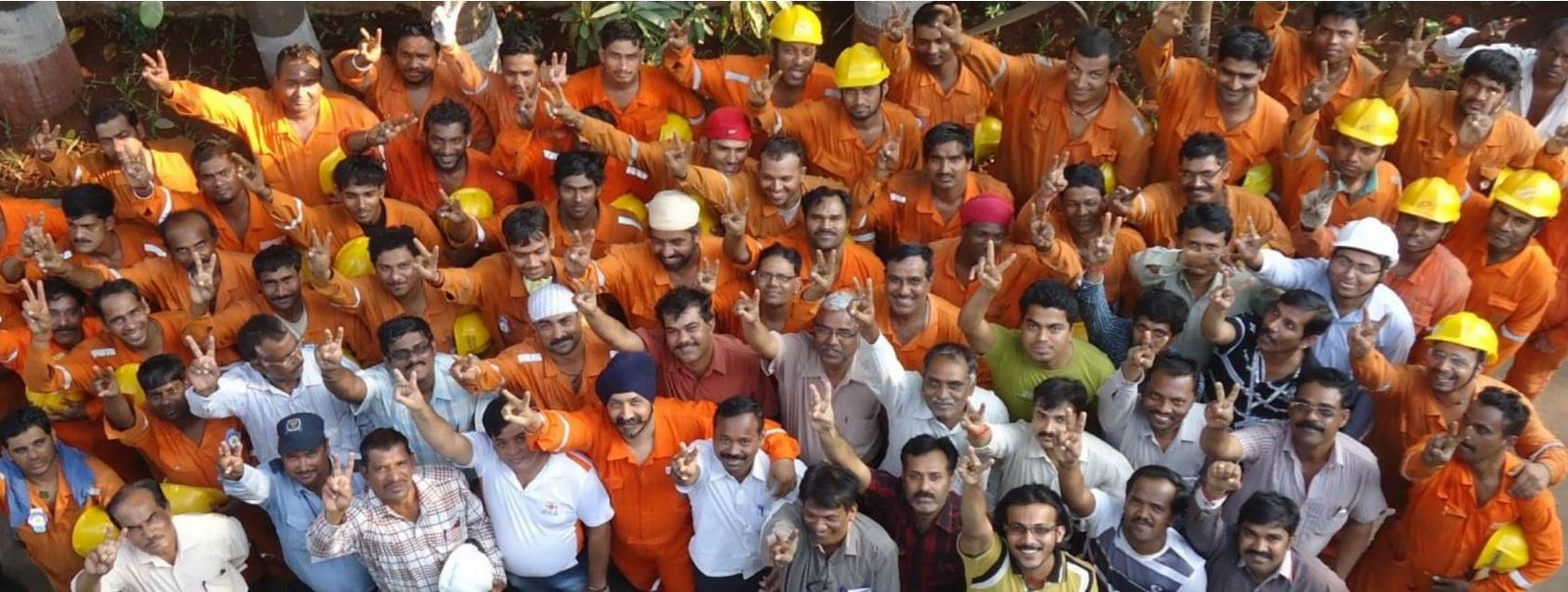
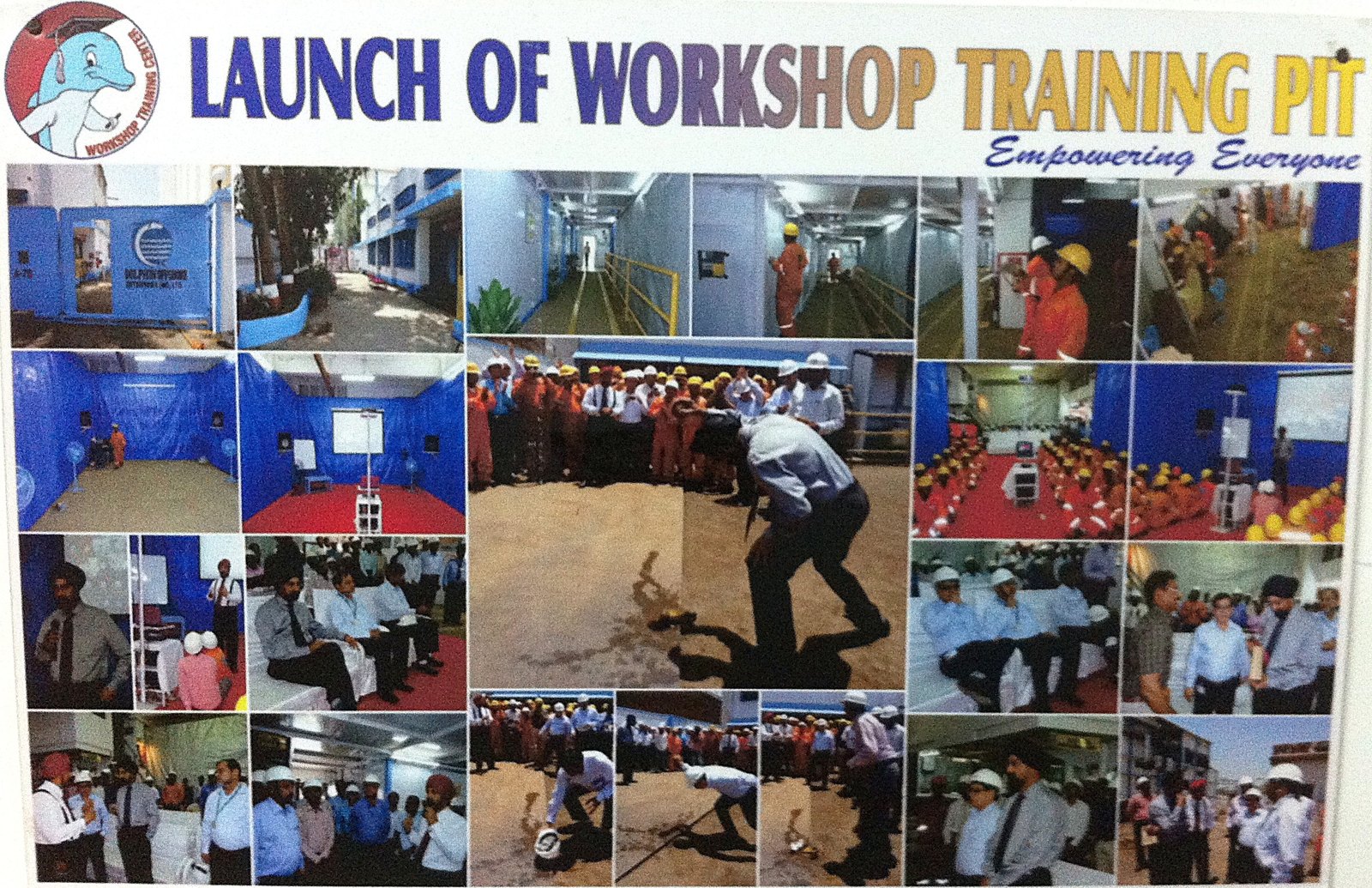
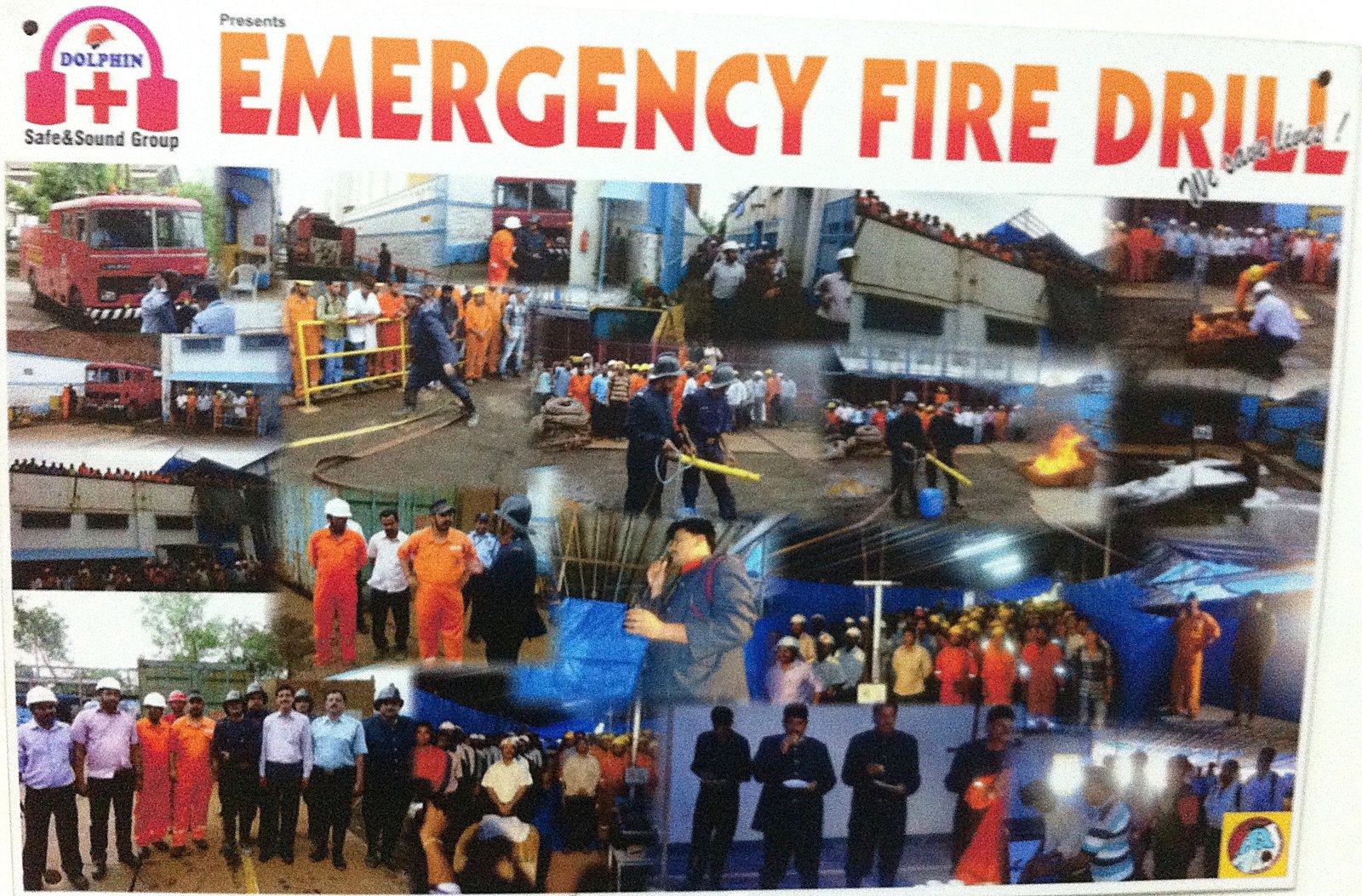
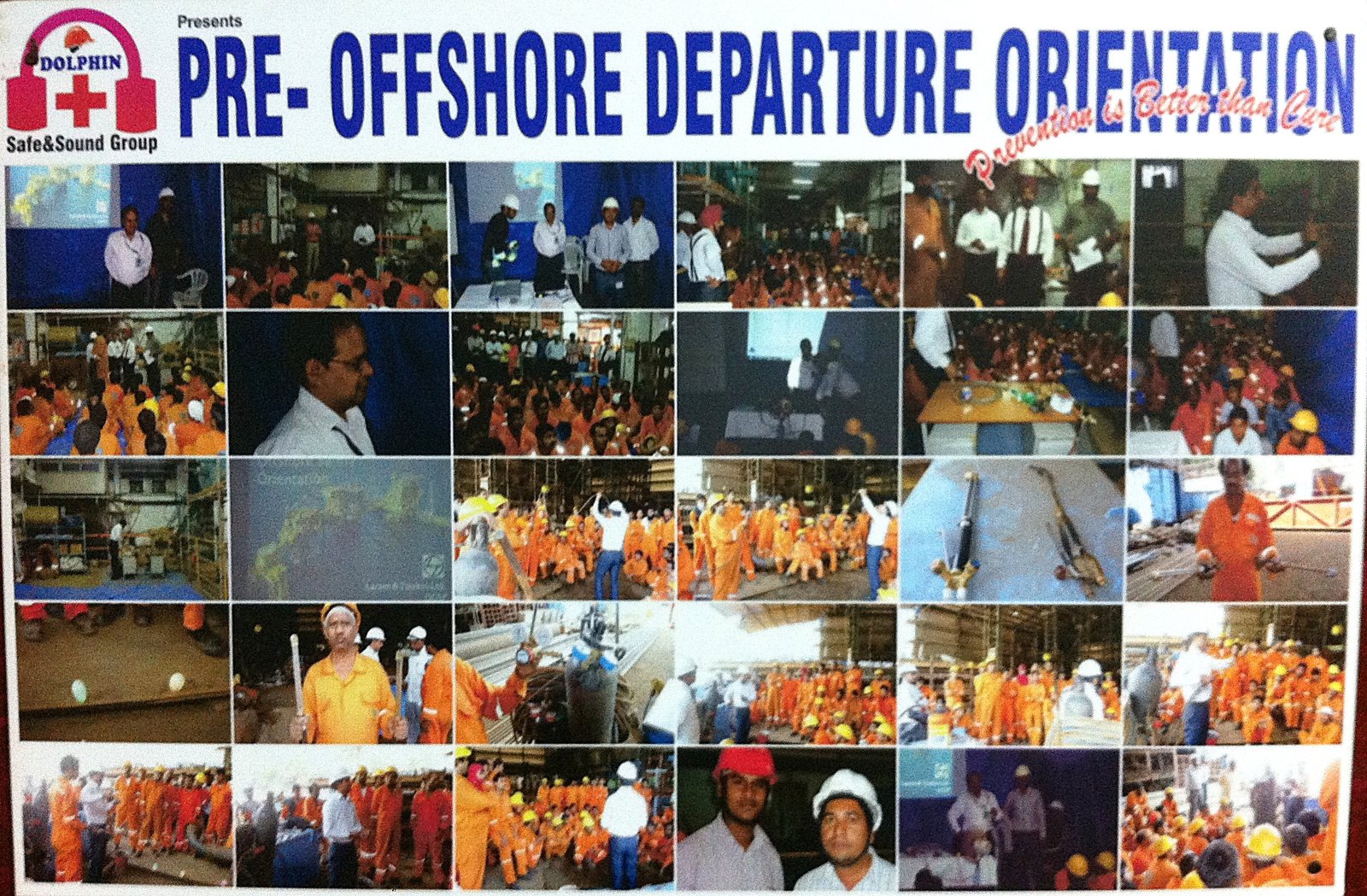
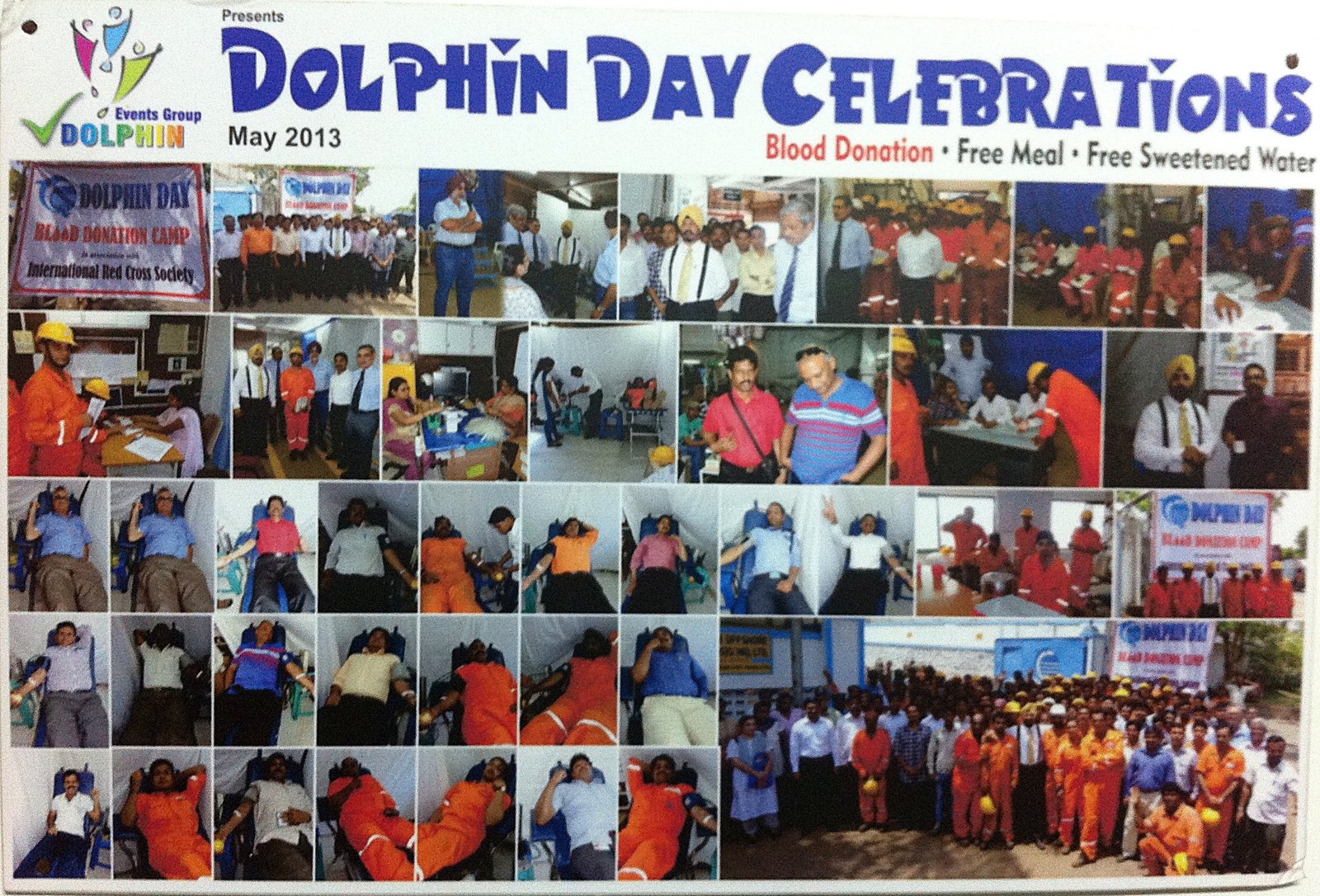
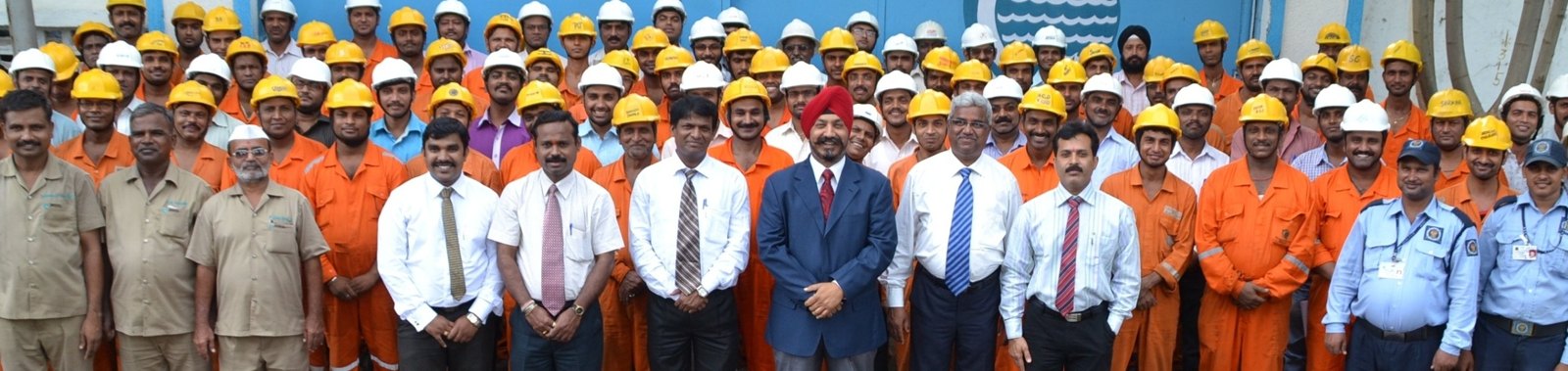
- A safety and team culture. Overalls and helmets became mandatory, security check-in was tightened, toolbox talks became mandatory, and the Workshop Training Pit was set up for both workshops. Five staff groups, including Safe & Sound, Events, Devout, and Culture & Learning, ran fire drills, crew orientations, celebrations and learning activities themselves.